Behind the Book

An Abrupt Departure

P.D. Workman turns a junk removal job into a suspense story about what people leave behind and what refuses to disappear.

This Bleeding Hearts Valley thriller begins with an abandoned apartment and follows the unsettling clues of a vanished life, drawing readers into mystery, psychology, and the human cost behind both.

brooding curious unsettling thoughtful psychological
Explore the story
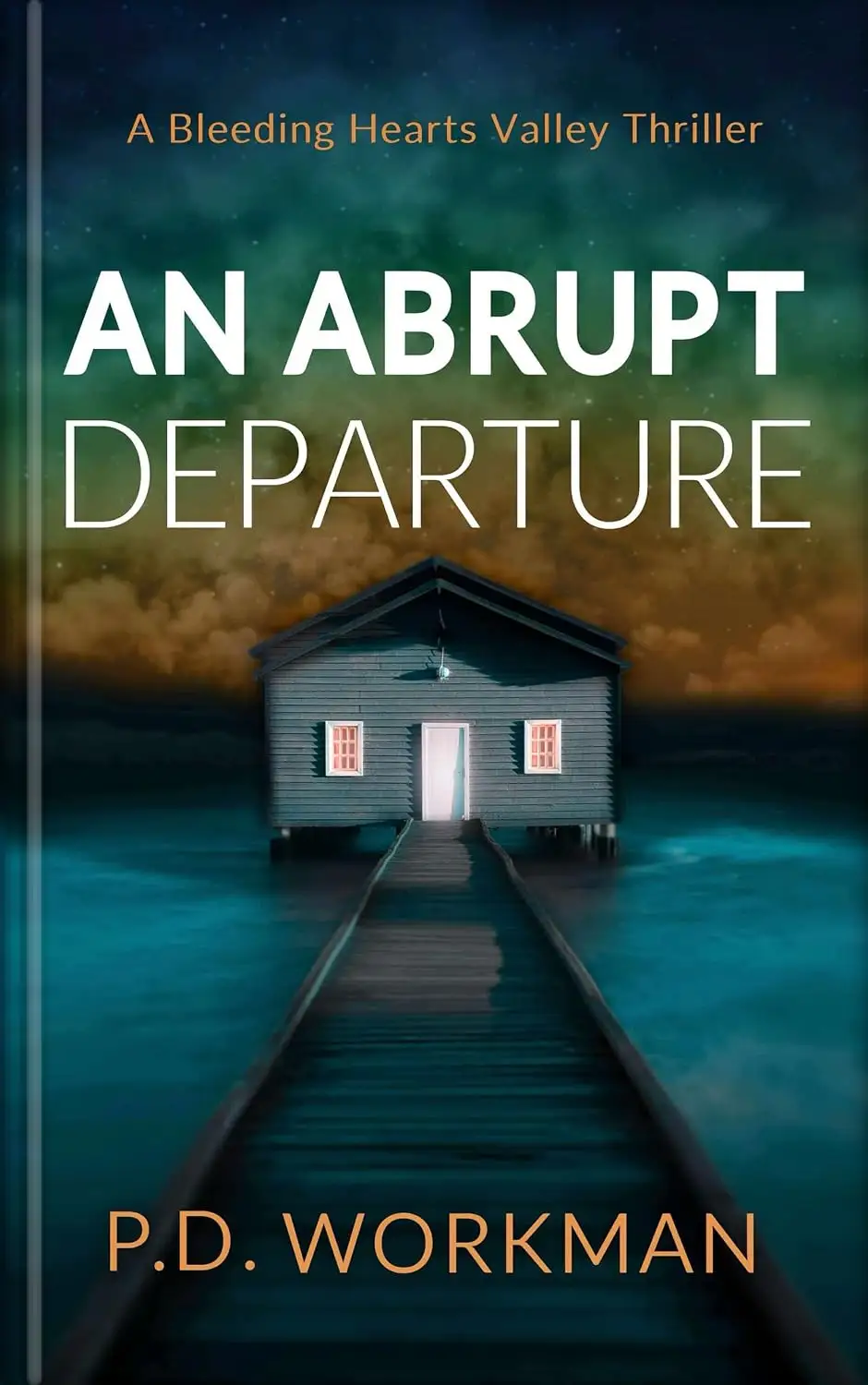
An Abrupt Departure book cover
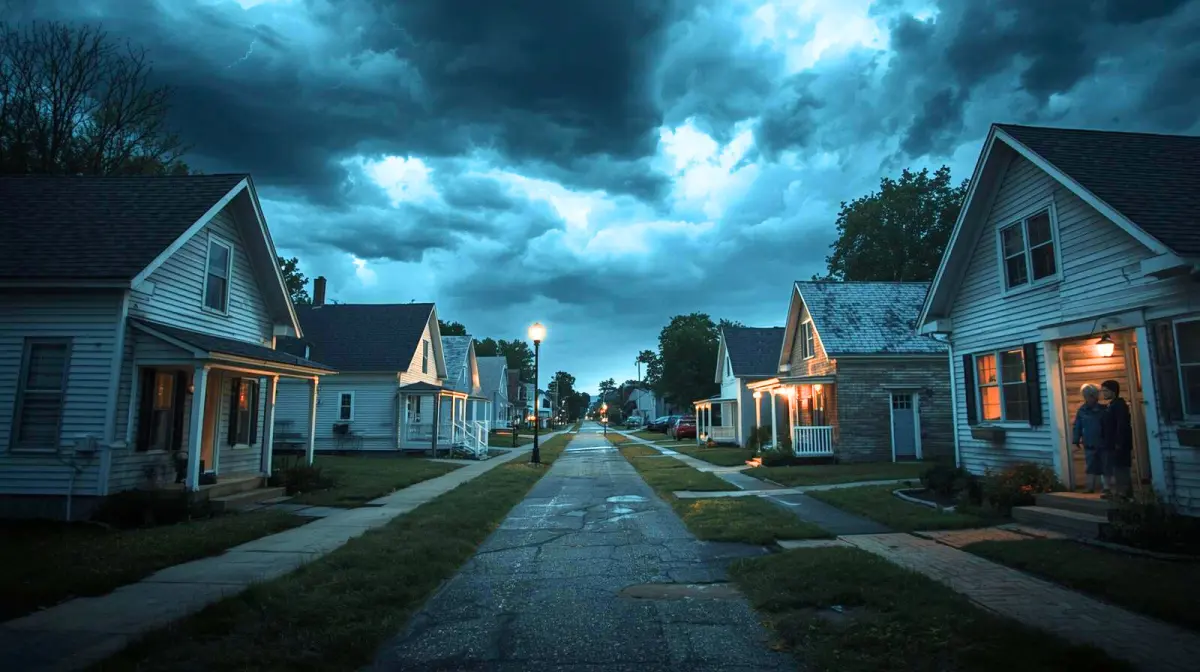
The series image the author describes begins with a house lit from within and shadowed from without.
Author conversation

With P.D. Workman

P.D. Workman answers our questions about An Abrupt Departure

We asked about the book’s origin, cover, writing process, atmosphere, and intended reader experience — then shaped those answers into this feature.

Origin

Why this book exists

The origin of An Abrupt Departure is grounded in work most people rarely think about. Details shared with IndieBookStories show that the first spark came from a news article about junk removal experts and the strange, sometimes haunting things they encounter. From there, P.D. Workman saw a powerful premise: someone clearing out a space could also be walking straight into the remains of a hidden crime. Set within the Bleeding Hearts Valley world, this book exists to follow that uneasy overlap between ordinary labour, private lives, and the evidence people think they'd managed to erase.
On why this book exists

“The first spark for An Abrupt Departure came to me from a simple news article about junk removal experts.”

On why this book exists

“The fascinating, sometimes haunting work they do, and the strange secrets they uncover in the process.”
Behind the book

The human story behind it

On courage

“A junk removal expert might stumble across evidence of crimes and the remnants of private lives people thought they had erased.”

What makes this premise feel personal is the author's long-standing interest in the inner lives of people under pressure. Workman describes writing fiction that probes trauma, mental illness, and addiction with empathy and clarity, and that concern shapes the book beyond its central mystery. This is not only a puzzle about an empty apartment. It is also about the traces people leave behind when life is interrupted, damaged, or forced off course. In the author's own words and creative focus, suspense becomes a way of looking closely at pain, secrecy, and the fragile line between what is visible and what has been pushed out of sight.
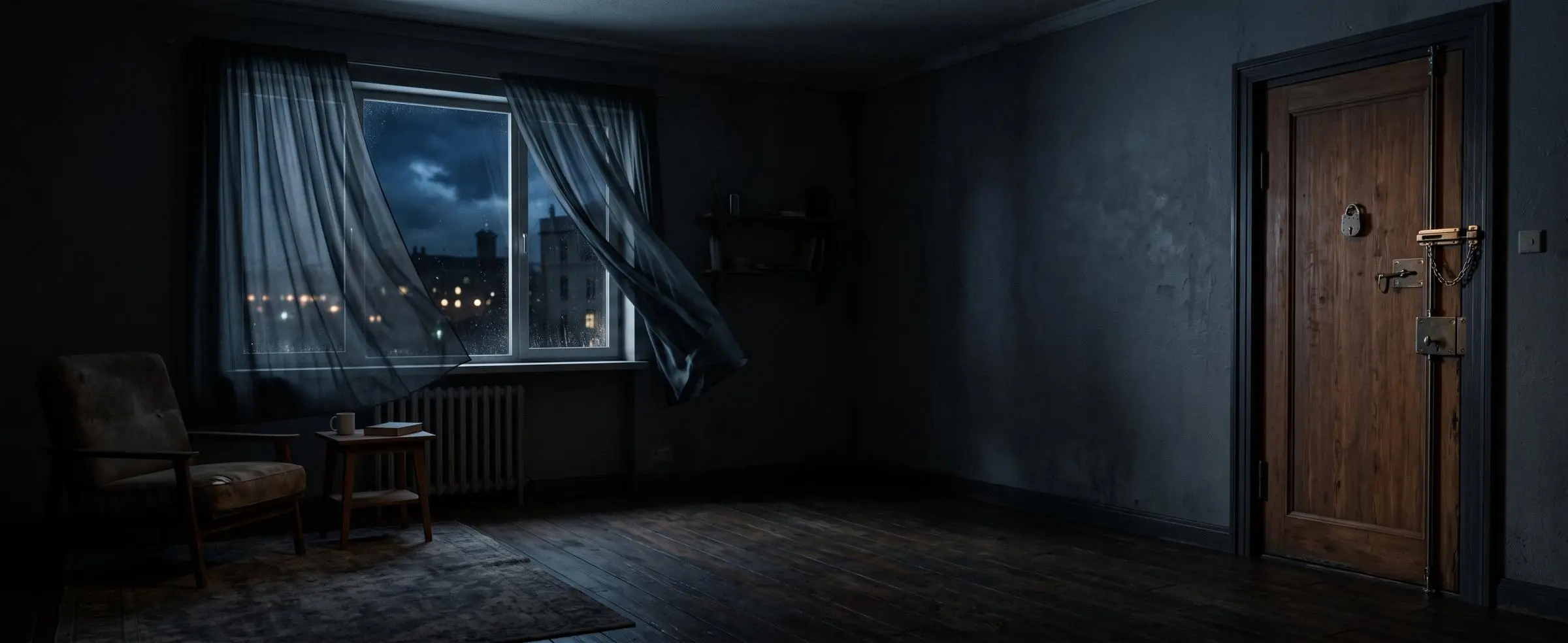
A dimly lit room with a closed door and wind stirring the space at night.
A closed door and a restless room capture the quiet unease behind the book's central mystery.
On preserving the human story

“A dimly-lit room with a locked door and the wind howling outside.”

A closed door and a restless room capture the quiet unease behind the book's central mystery.

Reader experience

What kind of journey is this?

Readers can expect a tense but measured thriller experience, one built on observation and danger. The story begins with a practical task, then deepens through contradiction: belongings that do not make sense, accounts that do not match, a journal that suggests something darker underneath the surface. Workman points to psychological depth and emotionally charged plotting as part of her wider approach, and this book appears to follow that pattern. The mood is brooding rather than explosive, with a strong sense of unease gathering room by room. If you enjoy mysteries that pair clues with human complexity, An Abrupt Departure seems designed to keep you reading while also asking you to sit with what the story uncovers.
Inspired by the story world

A visual glimpse into the book’s atmosphere

The images around An Abrupt Departure draw from details P.D. Workman shared with IndieBookStories: a brooding house with bright windows, a dim locked room, and an apartment suspended between departure and arrival. Together, they reflect a thriller world built from unease, private spaces, and the traces people leave behind.

An apartment with scattered personal belongings, suggesting a life suddenly left behind.

Left Behind

One life seems to have stopped mid-motion, leaving a room full of unanswered questions.

A modest apartment corner where ordinary clutter sits beside untouched valuables.

Contradictions

The suspense here grows through details that do not fit together cleanly.

A sparse apartment room with an open journal on a table, suggesting hidden clues.

A Journal and an Empty Space

Private traces become the path into a larger and darker story.

Reader response

How readers may feel

On how readers may feel

“Satisfied and thoughtful, pondering the issues and feelings brought up by the book.”

The author shares that the hoped-for response is to leave readers satisfied and thoughtful, still pondering the issues and feelings the book raises. That suggests a thriller that aims for more than a final reveal. You may come away with the pleasure of a mystery gradually solved, but also with a lingering awareness of absence, vulnerability, and the emotional afterlife of private spaces. For some readers, the strongest effect may be that quiet, unsettled reflection that arrives after the suspense has done its work.
Reader fit

Who this book is for

This book is likely to suit readers who enjoy suspense rooted in everyday settings rather than glamorous ones, and who like a mystery to carry psychological weight. If abandoned spaces, conflicting clues, hidden journals, and the slow assembly of a disappeared life appeal to you, there is a clear invitation here. It may also fit readers who want thriller pacing alongside empathy for difficult subjects, especially those drawn to stories that explore trauma, mental illness, or addiction without turning them into background decoration. If you like your thrillers brooding, observant, and human-scaled, this looks like a strong match.
A useful note

Who this may not be for

Readers looking for a light, cosy, or purely escapist mystery may find this a heavier experience than they want. It may also be less suited to those who prefer action-led thrillers with constant external confrontation, since the appeal here seems to lie in atmosphere, contradictions, and psychological residue. Because the author's broader concerns include trauma, mental illness, and addiction, readers wanting a gentler emotional register may wish to choose accordingly.
An Abrupt Departure book cover
An Abrupt Departure
Cover story

Behind the cover

On the cover

“A single house with bright windows contrasting the darker, brooding atmosphere.”

The cover draws from a visual thread running through the Bleeding Hearts Valley thrillers. As the author describes it, the series centres on a single house, with bright windows set against a darker, brooding atmosphere. That contrast matters. It captures something essential about An Abrupt Departure: light seen from a distance, but with unease pressing all around it. The image suggests shelter, secrecy, and the sense that what looks still from the outside may hold a far more troubled interior.
P.D. Workman
Author

P.D. Workman

Profile details supplied to IndieBookStories.

Writing room

From the author’s desk

Workman shares that the first draft took approximately 19 days, a pace that hints at momentum without losing the detail this kind of story needs. The book was written at home, in an office or bedroom, often while keeping her husband company or cuddling with her mischievous cat, QTip. That domestic writing setting feels quietly fitting for a novel so interested in private rooms, interrupted lives, and what a living space can reveal. It also reflects the steady discipline behind a suspense novel that begins with something ordinary and turns it into a source of unease.
Keep discovering

Author-led discovery from IndieBookStories

Discover more books through the stories behind them

IndieBookStories brings readers closer to indie books through the details authors share with us about origin, mood, process, and world. Join the reader list for thoughtful discoveries like An Abrupt Departure.

Join the reader list