Behind the Book

August

A nostalgic Normandy summer of friendship, first heartbreak, old letters, and the slow return to yourself.

Fanni Senkise’s literary coming-of-age novel pairs a 17-year-old’s summer abroad with a decades-old romance waiting in a box of postcards.

Normandy summer bittersweet cosy coastal tender nostalgic
Explore the story
August book cover
A low-tide horizon for the beginning of a summer that will be remembered.
Author conversation

With Fanni Senkise

Fanni Senkise answers our questions about August

We asked about the book’s origin, cover, writing process, atmosphere, and intended reader experience — then shaped those answers into this feature.

Origin

Why this book exists

August began with a Normandy holiday in 2021, but its emotional starting point was closer to home. Senkise was moving through a breakup and discovering the steadying force of friendship: the people who help you find your footing again. From there came Rory, a British teenager on a summer language programme, and an old box of letters that opens a second story from another era. Details shared with IndieBookStories reveal a book shaped by places the author walked herself, by the pull of coastal memory, and by questions of how love and friendship can echo across time.
On why this book exists

“The story grew out of a holiday with friends in Normandy in 2021.”

On why this book exists

“My own experience of going through a breakup and discovering how much friends can help you get back on your feet.”
Behind the book

The human story behind it

On courage

“At the heart of all my books are people finding connection, belonging, and a place where they can be fully themselves.”

Connection sits at the heart of Senkise’s wider writing life. A multilingual writer based in France, she describes a literary universe informed by different countries, languages and cultures, with belonging and unlikely friendships at its centre. August also carries the determination behind her path to publication. After nearly ten years seeking a traditional home for her stories, she decided to build one herself. That personal history gives the novel’s summer friendships an added warmth: this is a story interested in the small acts of welcome, companionship and self-recognition that can make an unfamiliar place feel like somewhere you can stay.
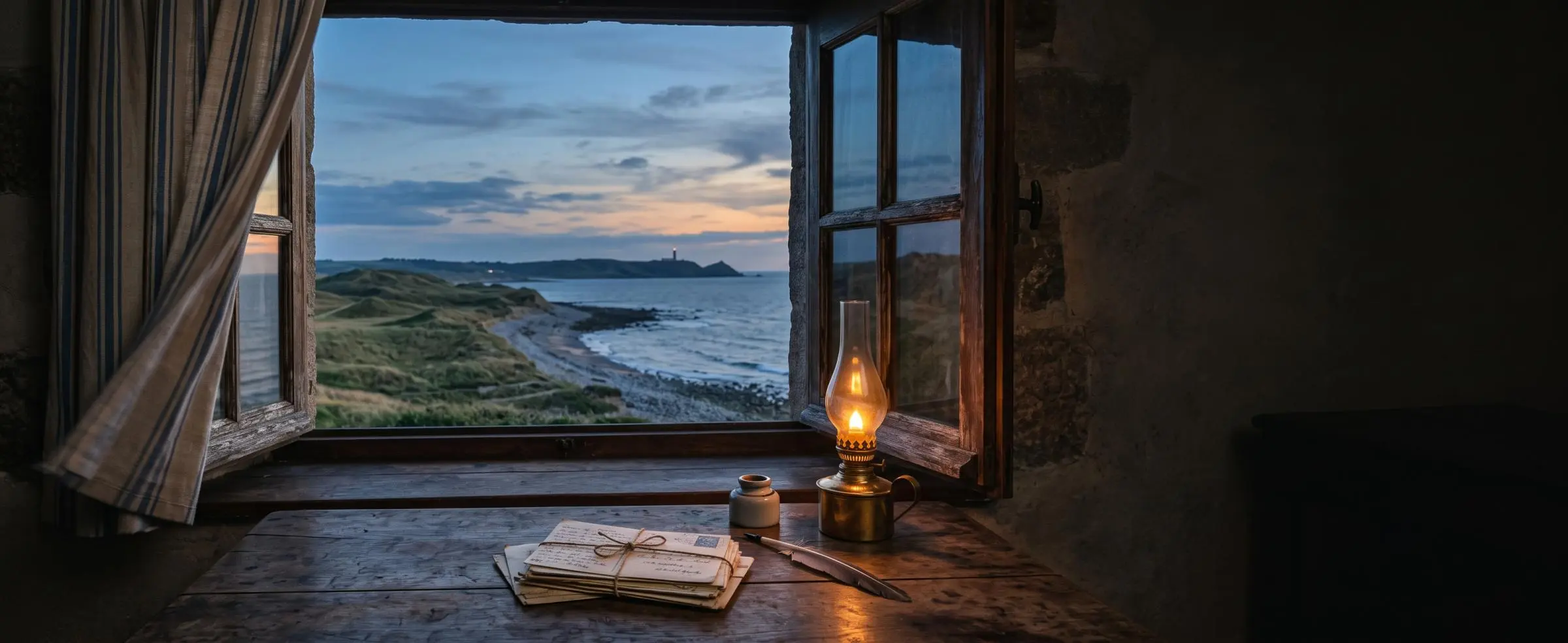
Old postcards on a wooden table beside an open window overlooking the sea at dusk.
The past arrives quietly, in handwriting and salt-air memory.
On preserving the human story

“Low tide, high tide and open sea.”

The past arrives quietly, in handwriting and salt-air memory.

Reader experience

What kind of journey is this?

August unfolds in two connected currents. Rory’s present-day Normandy summer has the intimate rhythms of young adulthood: first heartbreak, new friends, a summer crush, and the uncertain work of getting back on her feet. Alongside it, postcards and love letters gradually reveal another summer romance from decades earlier. The timelines meet through shared places and familiar feelings rather than spectacle, inviting readers to notice how love, loneliness and friendship can repeat in changing forms. Expect a gentle mystery threaded through seaside days, a soft romantic undercurrent, and a reflective pace that leaves room for conversations, memories and the atmosphere of the coast.
Inspired by the story world

A visual glimpse into the book’s atmosphere

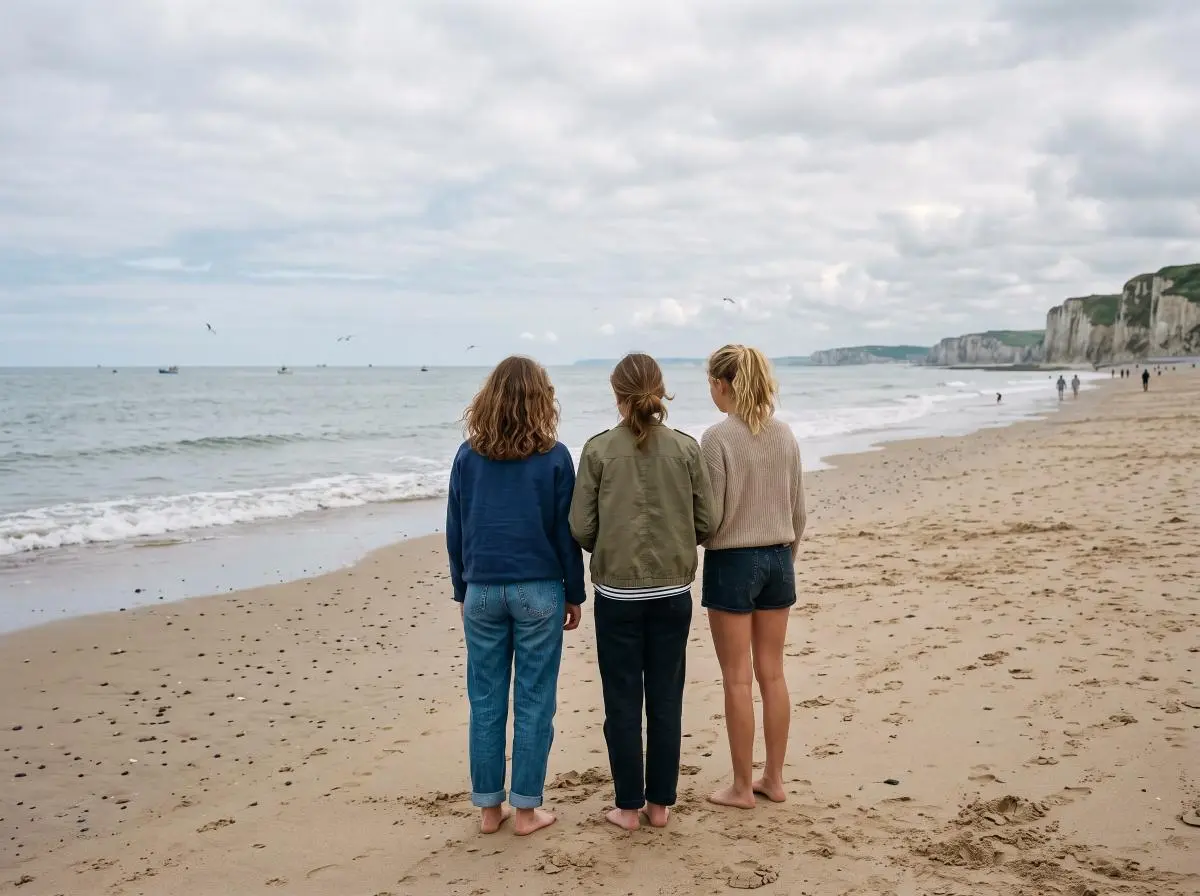
The images around August draw from details Fanni Senkise shared with IndieBookStories: Normandy’s changing tides, overcast summer light, seaside friendships, old postcards and the quiet anticipation of a summer night. Together, they echo the novel’s tender coastal mood and its movement between memory, friendship and first love.

Three teenage girls stand together facing the sea on a Normandy-inspired beach.

Friends at the Waterline

A shared view of the sea, and the friendships that make a new place feel possible.

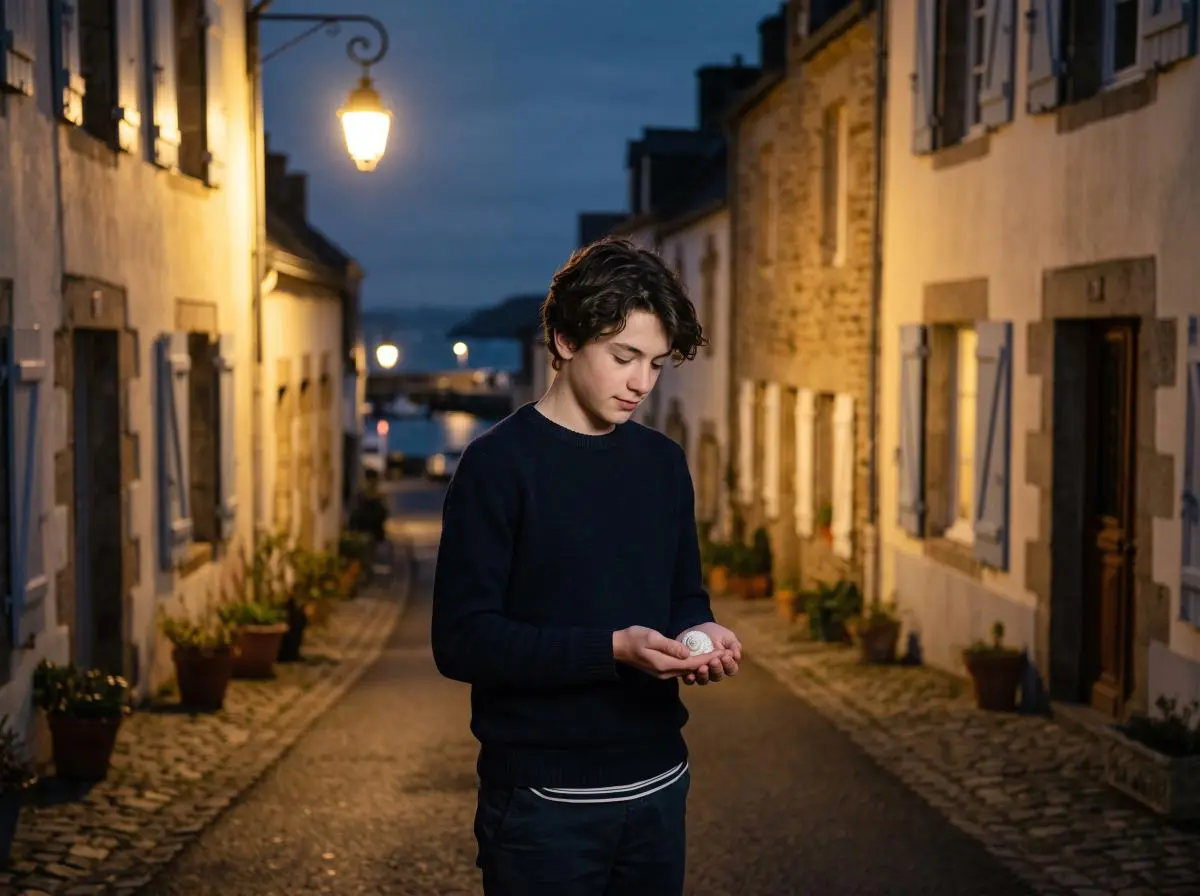
A teenage boy holding a small white shell beneath a streetlight on a quiet coastal street at night.

A Shell After Dark

A small shell, a streetlight, and the tentative beginning of a summer connection.

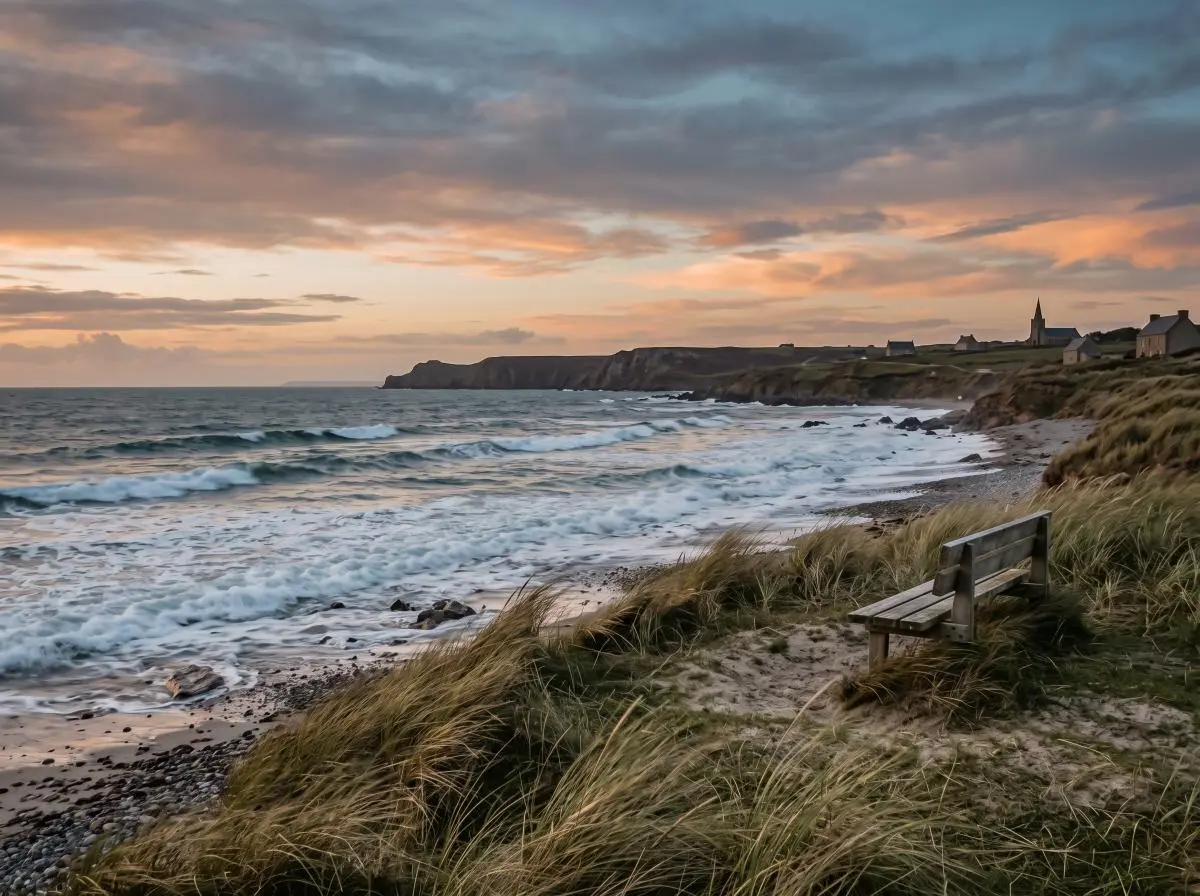
High tide rolling toward a coastal bench beneath a soft evening sky.

High Tide, Open Sea

The open sea carries the novel’s space for reflection, change and return.

Reader response

How readers may feel

On how readers may feel

“Readers finish August with a warm, nostalgic feeling.”

Senkise shares that early readers have finished August with a warm, nostalgic feeling, often recalling summers and youth of their own. The novel may suit a quiet stretch of reading when you want to linger in a place rather than rush through it. Its letters offer the pleasure of gradual discovery, while Rory’s friendships and recovery from heartbreak keep the story close to the everyday. There is bittersweetness here, but the overall invitation is wholesome: a summer by the sea, held in memory.
Reader fit

Who this book is for

August may find a place with readers drawn to emotional coming-of-age stories, strong female friendship and soft, unhurried romance. It is for those who enjoy a coastal setting with cottagecore warmth, as well as a dual timeline that reveals its past through letters and postcards. Readers who reach for the wistful, story-rich mood of folklore and evermore may recognise part of the atmosphere Senkise names as an influence. It is also a thoughtful choice for anyone looking for a summer novel where healing is supported by friendship, shared meals, walks, new places and time.
A useful note

Who this may not be for

This may not be the right match for readers seeking a fast plot, high-stakes suspense or a romance that dominates every page. August takes its time with atmosphere, friendship and emotional recovery, and its historical thread unfolds gradually through found correspondence. The tone is tender and nostalgic rather than sharply dramatic.
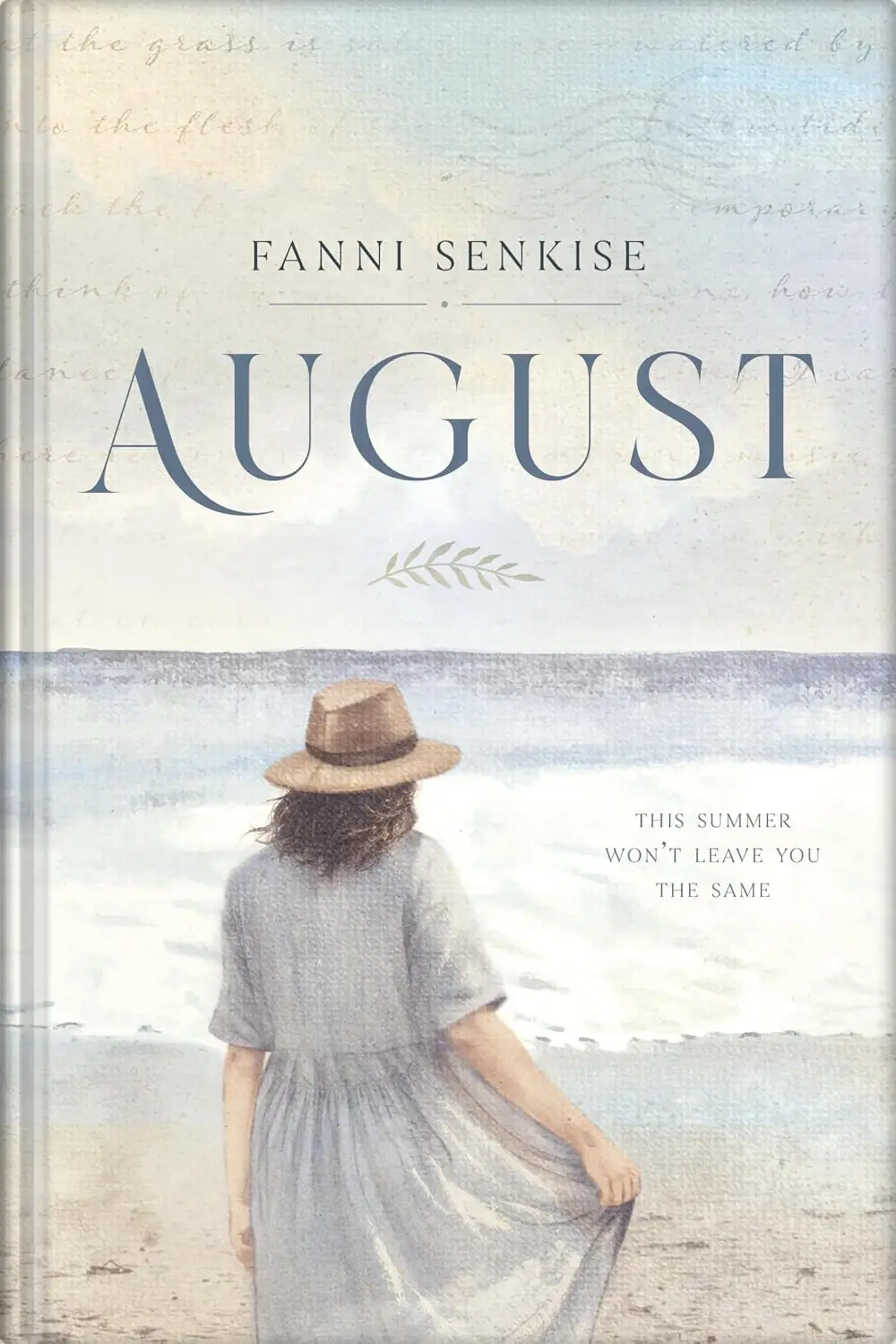
August book cover
August
Cover story

Behind the cover

On the cover

“I wanted the cover to have a recognisable Normandy summer mood with touches of nostalgia and yearning.”

The cover was designed to hold what Senkise calls a recognisable “Normandy summer mood,” with nostalgia and yearning close at hand. Its girls looking towards the sea nod to the cover of Penelope Lively’s A Stitch in Time, an important inspiration for August’s dual-timeline shape. Look more closely and there is another layer: the letter-like texture across the upper cover is not merely decorative. It contains an actual quote from one of the postcards in the story, quietly tying the book’s visual world to its hidden correspondence.
Fanni Senkise
Author

Fanni Senkise

Profile details supplied to IndieBookStories.

Writing room

From the author’s desk

On writing the book

“I find that my brain plots best when my feet are moving.”

The first idea arrived in Normandy in 2021 and grew through NaNoWriMo sessions and years of returning to the manuscript. By the time Senkise committed to finishing and publishing it, much of the draft existed, but needed substantial rewriting and editing. The final stretch ran from autumn 2025 to March 2026. Pages took shape in coworking cafés, at The American Library in Paris beside a writing best friend, and through dictated passages on walks to work and writing retreats. For Senkise, movement is part of the process: her brain plots best when her feet are moving.
Keep discovering

Author-led discovery from IndieBookStories

Discover more books through their origins

Join the IndieBookStories reader list for thoughtful discoveries shaped by the details authors share with us: the places, processes, moods and personal stories behind independent books.

Join the reader list