Behind the Book

Prickle

A horror novella where tattooing, folklore, grief, and body horror meet in a cramped studio off Tverskaya Street.

E.K. Larson-Burnett shares the personal roots behind Prickle: a story shaped by body horror, a late grandmother's presence, and the strain of becoming too small for other people.

gritty eerie visceral folkloric emotionally charged
Explore the story
Prickle book cover
A cramped studio world where the strange and the sacred sit close together.
Author conversation

With E.K. Larson-Burnett

E.K. Larson-Burnett answers our questions about Prickle

We asked about the book’s origin, cover, writing process, atmosphere, and intended reader experience — then shaped those answers into this feature.

Origin

Why this book exists

Prickle begins in a place where genre fascination and private feeling meet. Details shared with IndieBookStories show E.K. Larson-Burnett drawing not only on "the visceral body horror genre as a whole," but also on a deeply personal relationship with a late grandmother, and on "the reality of being a people-pleaser." That combination gives the novella its reason for being. This is not horror for shock alone. It is horror used to translate pressure, hunger, inheritance, and the cost of letting yourself be shaped by other people. In Prickle, the strange and the sacred are inseparable, and the fear grows from there.
On why this book exists

“The visceral body horror genre as a whole.”

On why this book exists

“The reality of being a people-pleaser.”
Behind the book

The human story behind it

On courage

“My relationship with my late grandmother (my Boosha).”

What sits behind Prickle is a human story of inheritance and self-erasure. Larson-Burnett points to their "late grandmother" and even names her here as "my Boosha," giving the book a personal lineage beneath its unsettling premise. Alongside that is the author's own recognition of people-pleasing, which helps explain why the novella's body horror feels emotionally grounded rather than abstract. There is also the context of how the book was written: from home, during a period of "severe anxiety around leaving the house." That detail matters. It places Prickle inside a real lived atmosphere of confinement, intensity, and turning inward, which readers may feel in the book's cramped, pressurized world.
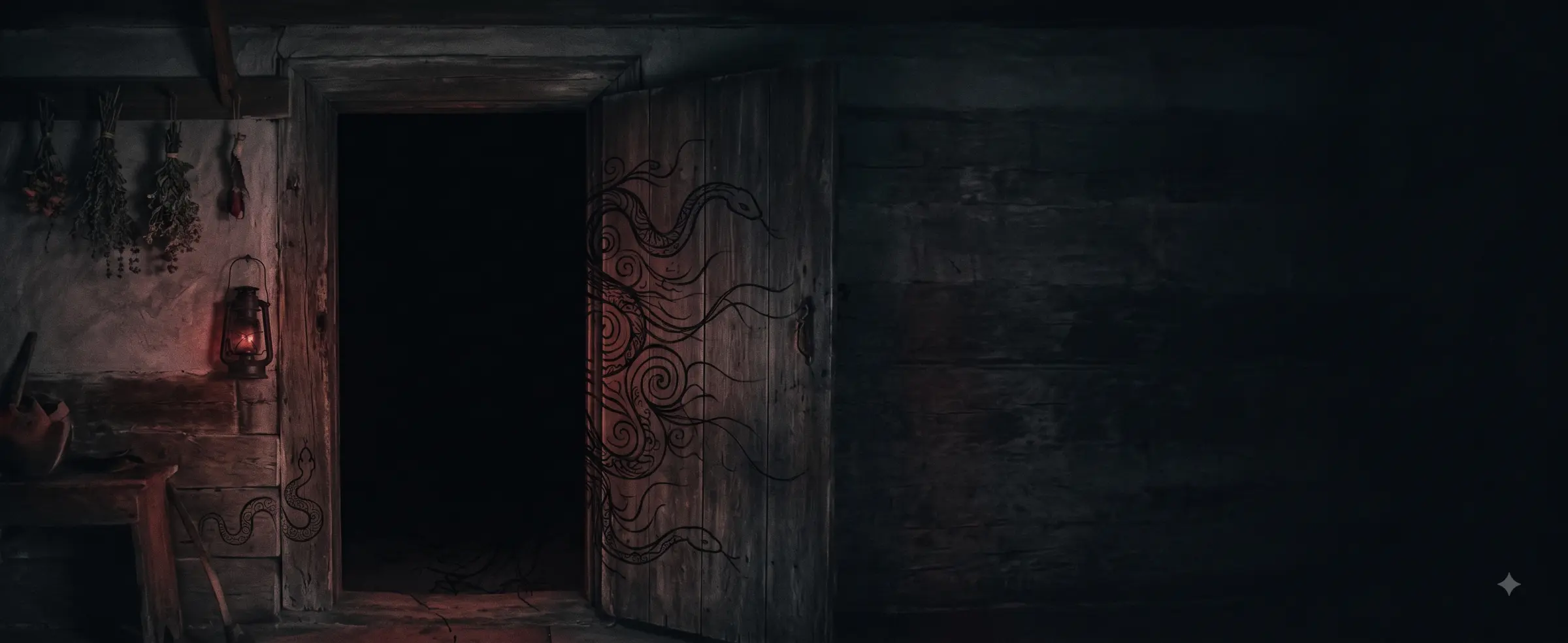
Moody interior with curling ink-like shadows and serpent motifs suggesting an inner transformation.
The cover idea points inward: a design that also speaks to the monster within.
On preserving the human story

“Poetic, but eerie.”

The cover idea points inward: a design that also speaks to the monster within.

Reader experience

What kind of journey is this?

On the story’s pace and mood

“Gritty and raw happenings spun with descriptive language and inspired by folklore.”

The reading experience sounds intense, tactile, and close to the skin. The author describes the novella as "gritty and raw," but also "spun with descriptive language and inspired by folklore." That mix suggests a horror story with both bite and atmosphere: something visceral, but not blunt; poetic, but still eerie. Readers can expect a compact world charged with unease, where physical change carries emotional meaning and the imagery lingers. The premise of tattooing as transformation gives the story a bodily immediacy, while the folklore influence adds an older, stranger current beneath it. This looks like a novella for readers who like horror that feels intimate, unsettling, and emotionally aware.
Inspired by the story world

A visual glimpse into the book’s atmosphere

The images around Prickle draw from details E.K. Larson-Burnett shared with IndieBookStories: a cramped tattoo studio, folklore-inflected unease, snake line art, and a mood the author describes as gritty, raw, poetic, and eerie.

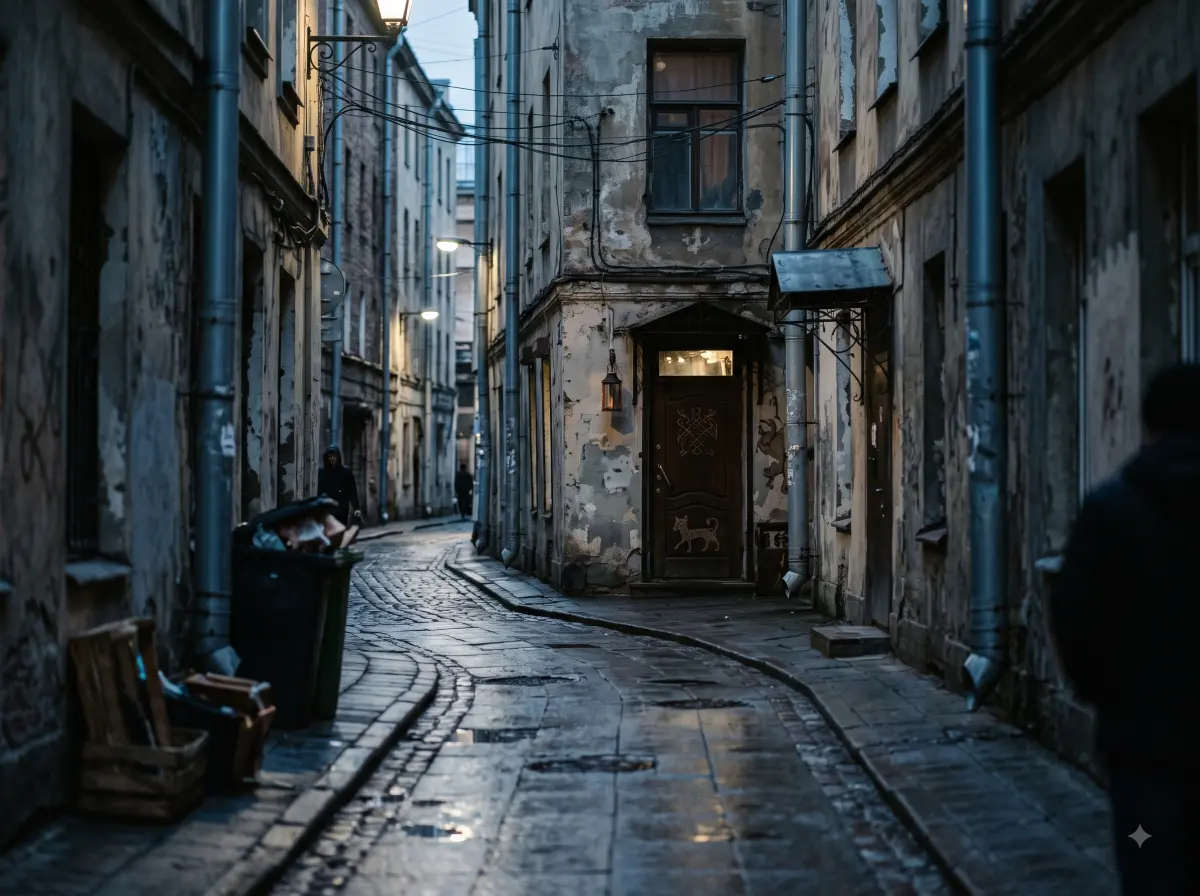
A narrow urban side street at dusk with a small lit studio doorway.

Off Tverskaya Street

A side-street threshold into the novella's close, pressurized world.

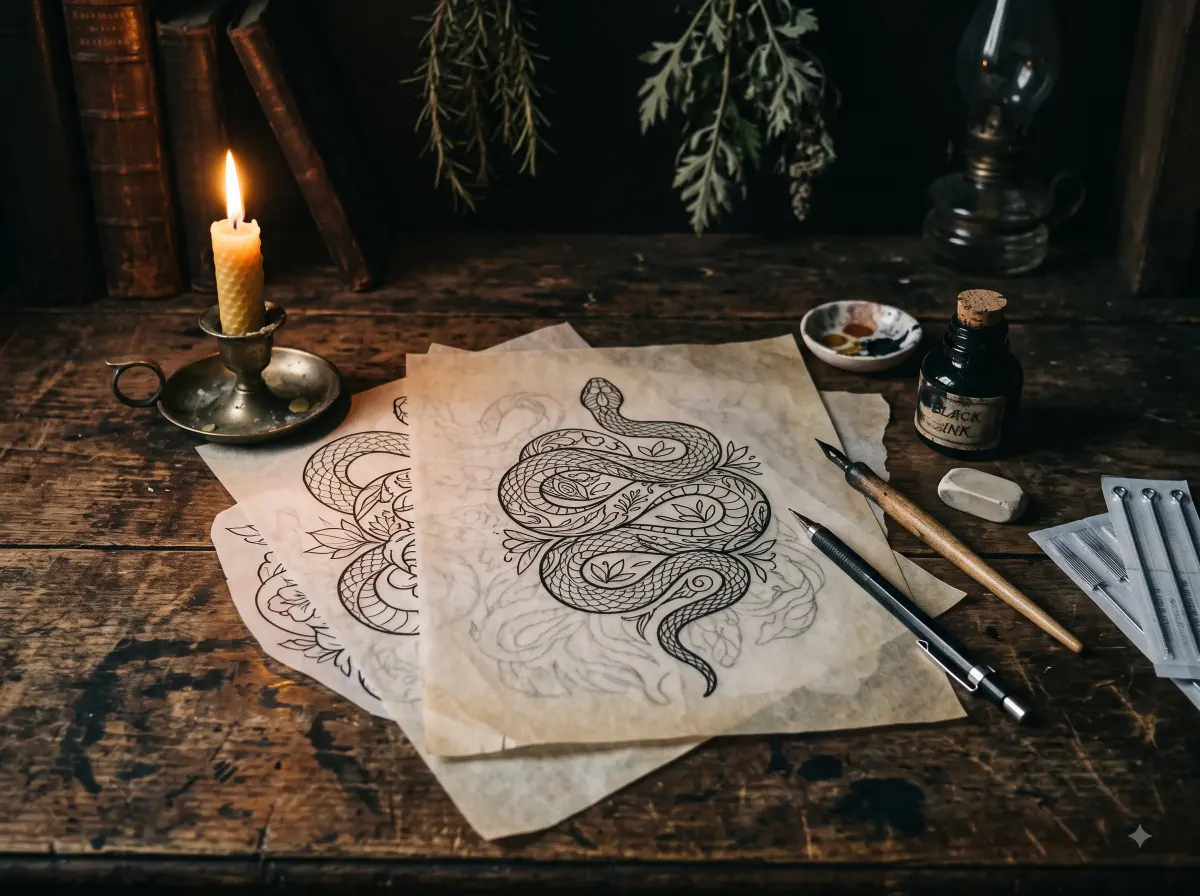
Tattoo sketch materials on a worn table with snake-inspired line art and black ink.

Snake Line Work

A quieter visual echo of the book's line art and its living-ink tension.

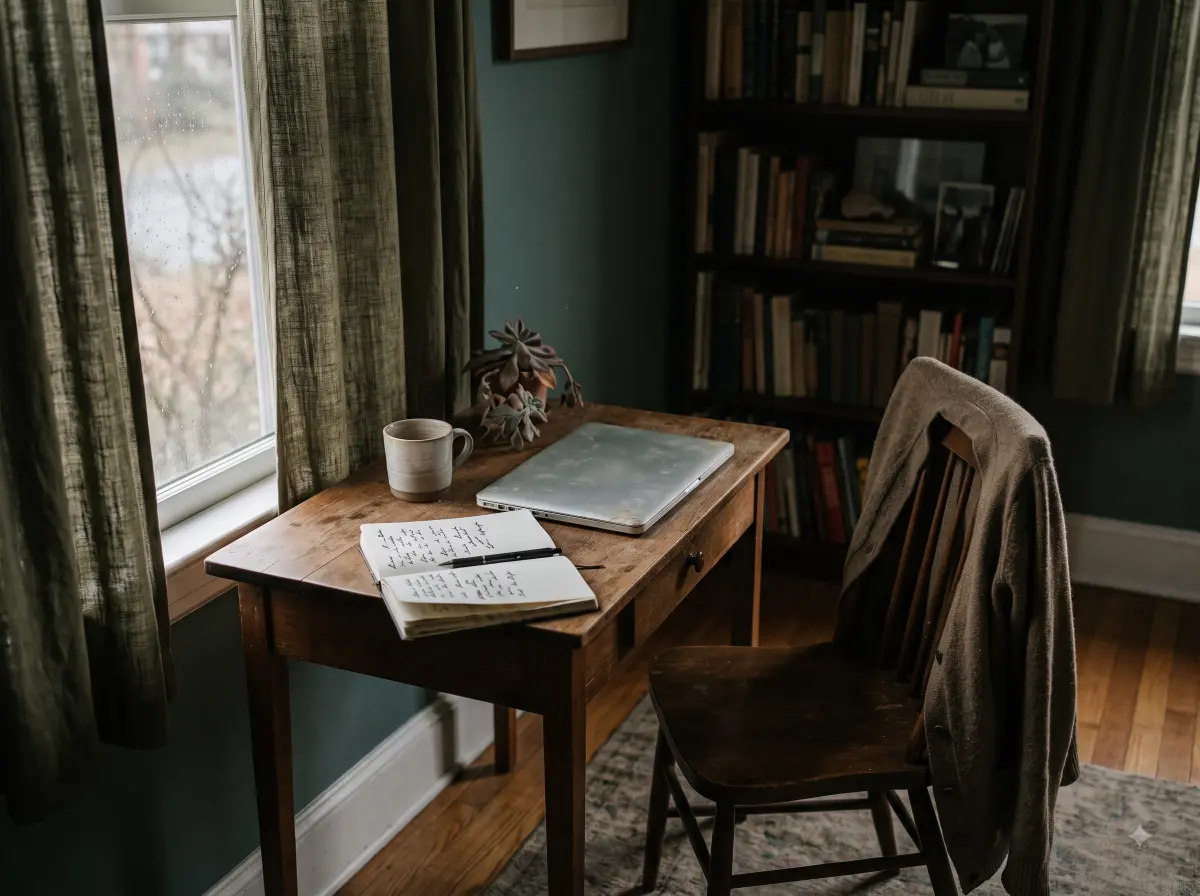
A small home writing desk by a dim window with a quiet, enclosed atmosphere.

Written from Inside

Larson-Burnett wrote the book from home, turning inward and throwing themselves into the work.

Reader response

How readers may feel

On how readers may feel

“Inspired to speak out for themselves instead of allowing themselves to be made smaller.”

Larson-Burnett says one possible response is being "scared to get a tattoo," which gives a good sense of how physically immediate Prickle may feel. But the author also points to something beyond fear: the possibility that readers may feel "inspired to speak out for themselves instead of allowing themselves to be made smaller." So while the novella trades in dread, altered bodies, and an eerie atmosphere, it may also leave some readers thinking about boundaries, voice, and what happens when too much of the self is handed over.
Reader fit

Who this book is for

Prickle may suit readers who enjoy horror that is visceral without losing emotional meaning. If you like body horror with a strong atmosphere, folklore-inflected dread, and stories where physical transformation reflects something deeper, this book is likely to be of interest. It may also appeal to readers who prefer short, concentrated fiction over sprawling horror novels, and to those drawn to uncanny creative spaces: tattoo studios, inherited rituals, strange materials, and gifts that refuse to stay controlled. If you want horror with texture, pressure, and a personal pulse behind it, this belongs on your list.
A useful note

Who this may not be for

This may not be the right fit for readers who avoid body horror, bodily transformation, or horror that stays close to flesh and discomfort. If you prefer your horror lighter, more distant, or less visceral, Prickle could feel too intense. It is also probably not for readers looking for a fast, purely plot-driven scare ride without emotional undertow or eerie descriptive atmosphere.
Prickle book cover
Prickle
Cover story

Behind the cover

On the cover

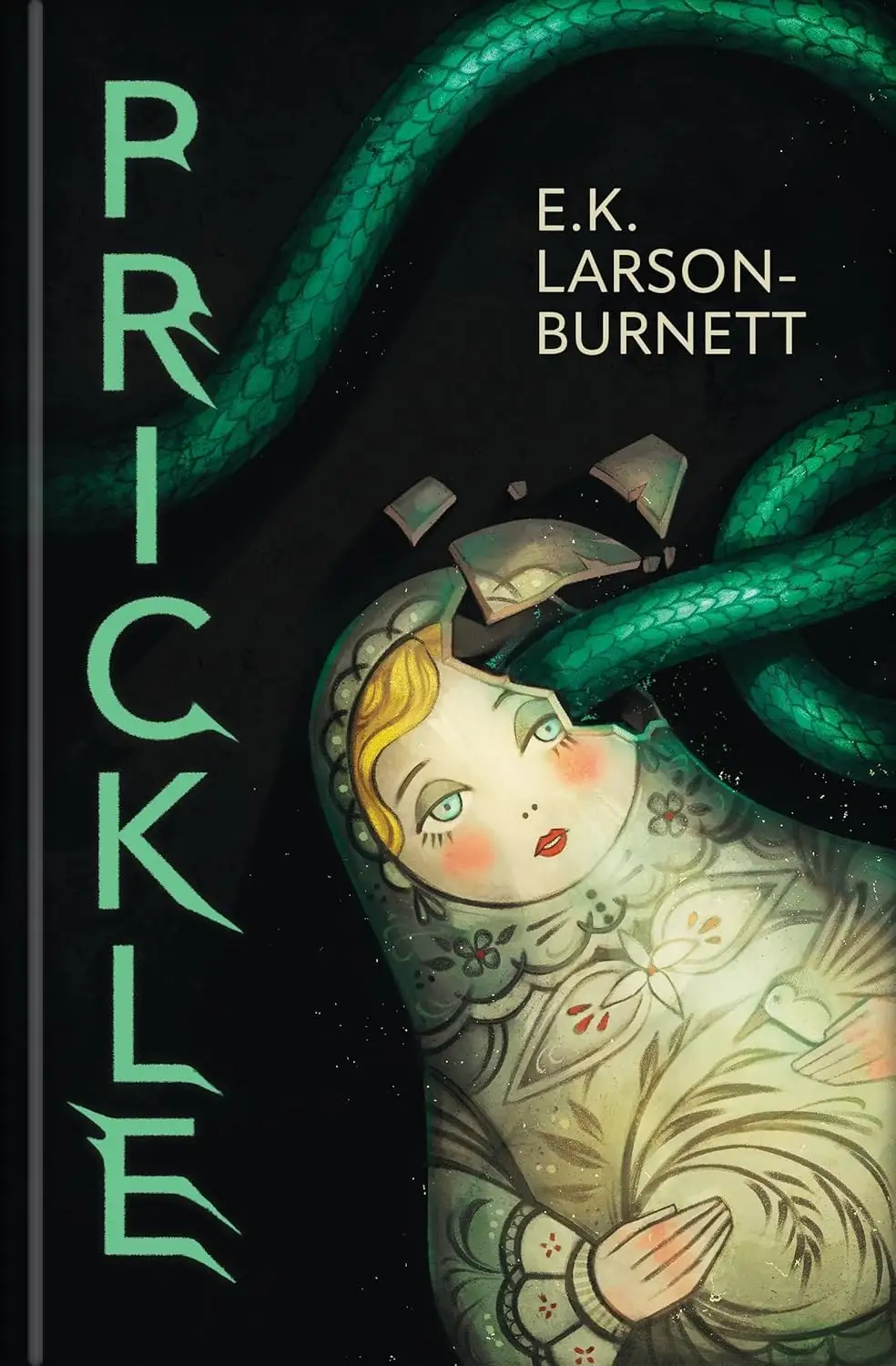
“Representative of the "monster within" theme.”

The cover is tied directly to the story's central image. The author describes it as "a tattoo the FMC of the novella completes during the story," but also as something that represents the "monster within" theme. That makes the visual more than decoration. It is part of the novella's inner logic: body, image, and identity folding into each other. In that sense, the cover offers readers an early glimpse of what Prickle is doing all the way through—turning ink into something intimate, unsettling, and alive with meaning.
E
Author

E.K. Larson-Burnett

Profile details supplied to IndieBookStories.

Writing room

From the author’s desk

On writing the book

“I've been struggling with severe anxiety around leaving the house, so I've thrown myself into my writing.”

Larson-Burnett shares that the initial draft took "around 5 months," with another "four or five months" for rewriting and editing. The book was written at home during a period of "severe anxiety around leaving the house," with the author throwing themselves into the work. That detail gives Prickle an added sense of closeness. It was made in confinement, through sustained return and revision, and shaped by a writer working deeply inside both atmosphere and feeling rather than from a distance.
Keep discovering

Author-led discovery from IndieBookStories

Discover indie books through the stories behind them

IndieBookStories shares books through the details authors share with us—the origins, moods, covers, and writing lives that don't fit inside a standard listing. Join the reader list for thoughtful discoveries like Prickle and other quietly striking indie books.

Join the reader list