Indie Book Story

Under the Aegis

Elizabeth Douka draws on Greek-American identity and personal experience to shape a cinematic fantasy of struggle, sacrifice, and strength.

Eva's near-fatal escape leads into a world of Greek gods, new powers, and impossible trials—while the story asks what finding strength can really mean.

mythic cinematic action-driven resilient
Explore the story
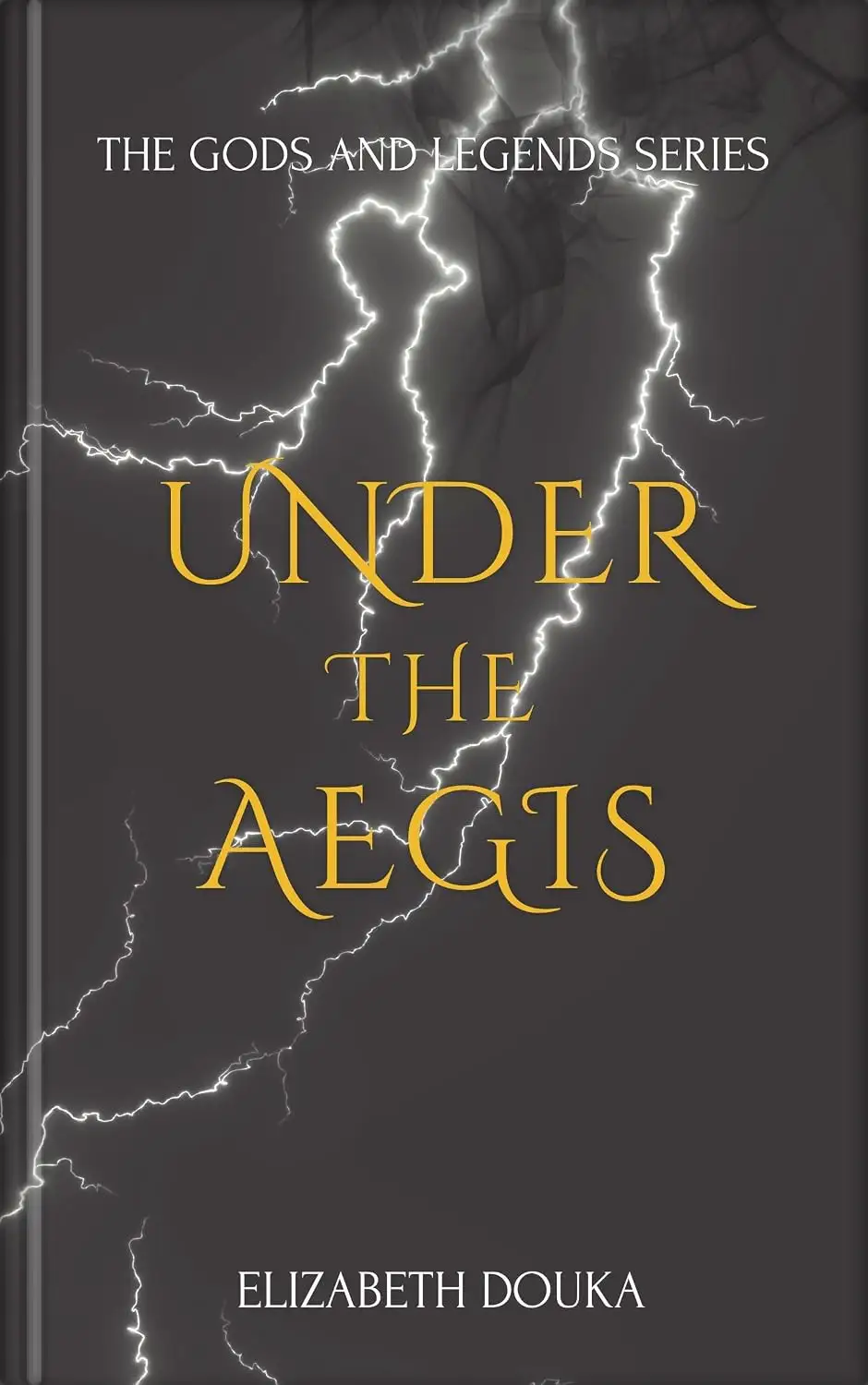
Under the Aegis book cover
Silver light and shifting elements evoke the atmosphere Douka describes.
Author conversation

With Elizabeth Douka

Elizabeth Douka answers our questions about Under the Aegis

We asked about the book’s origin, cover, writing process, atmosphere, and intended reader experience — then shaped those answers into this feature.

Origin

Why this book exists

For Elizabeth Douka, Under the Aegis began close to home. “My own life!” the author says of its inspiration: like Eva, she is Greek-American and over 30. Douka also describes writing the book as a way of working through an emotionally abusive relationship. That personal starting point meets a fantasy premise in which a woman is reborn with divine powers and faces trials that could cost her life. In details shared with IndieBookStories, Douka frames the book not as an account of her life, but as a story shaped by what she was trying to overcome.
On why this book exists

“My own life!”

On why this book exists

“I am also Greek-American like the protagonist and over 30 years old.”
Behind the book

The human story behind it

On courage

“in a way, this book was my own therapy.”

Eva’s story begins with the aftermath of a toxic relationship, but the human context Douka shares is her own experience of overcoming emotional abuse. The connection gives the fantasy stakes a personal point of origin without making Eva’s fictional story a direct retelling of the author’s life. Douka calls the writing, “in a way,” her own therapy. That perspective sits alongside the book’s divine tests: a new beginning does not erase what came before, and strength does not mean life suddenly becomes easy. It offers readers a character navigating change while carrying a human past into a larger, stranger world.
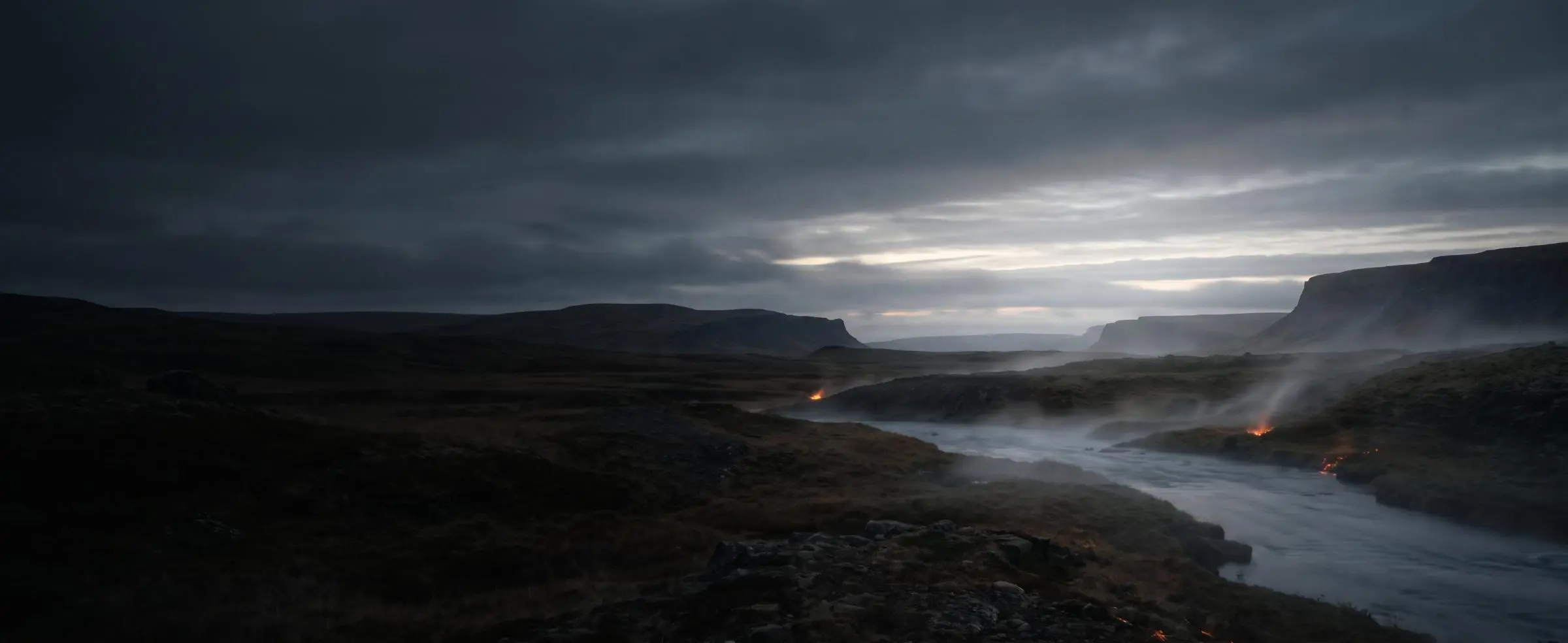
A quiet horizon with silver light and subtle elemental textures suggesting transition.
A shifting horizon suggests the threshold between a human past and an unfamiliar world.
On preserving the human story

“I chose to let the storytelling speak for itself and allow readers to visualize the characters, settings, and action through their own imagination.”

A shifting horizon suggests the threshold between a human past and an unfamiliar world.

Reader experience

What kind of journey is this?

On the story’s pace and mood

“Cinematic, fast-paced, and action-driven.”

Douka describes her books as “Cinematic, fast-paced, and action-driven,” and says they are best enjoyed “like a movie.” Her emphasis is on the characters, their struggles, and the story rather than elaborate literary prose. In Under the Aegis, that approach meets Greek mythology-inspired fantasy: Eva’s new powers bring her into contact with monsters, divine politics, and two demanding labors, while an unexpected romance adds another thread to her changing life. The result is a story shaped around momentum and high stakes, with a human question at its center: what might it take to claim a future when the path there includes sacrifice and turmoil?
Inspired by the story world

A visual glimpse into the book’s atmosphere

The images around Under the Aegis draw from details Elizabeth Douka shared with IndieBookStories: silver lighting and fire, water, air, shadow, light, and earth swirling together. They echo the book's mythic atmosphere while leaving the characters, settings, and action open to each reader's imagination.

Silver light reflected across an abstract flowing surface with soft shadows.

Silver Current

Silver light, one of the visual details Douka shared, catches a flowing elemental current.

Abstract bands of fire, water, air, shadow, light, and earth swirling together.

Elements in Motion

The elemental forces Douka names gather in a single, imagined story-world image.

Silver light and deep shadow falling across an abstract textured landscape.

Light and Shadow

A play of light and shadow reflects the hidden details Douka says readers may notice in the cover.

Reader response

How readers may feel

On how readers may feel

“sometimes the things we want in life come through sacrifice, struggle, and turmoil.”

Readers may find themselves rooting for Eva as she tries to make sense of powers and obligations she did not ask for. Douka’s stated hope is not that struggle resolves neatly, but that readers recognize how often what we want comes through sacrifice and difficulty. The book’s fast-moving fantasy premise offers action and mythic complications; its emotional undercurrent makes room for a more grounded thought: becoming stronger does not make everything fair or easy. That balance may appeal to readers who like their escapist worlds to leave space for resilience without promising simple answers.
Reader fit

Who this book is for

Under the Aegis may suit readers looking for fast-paced fantasy with Greek mythology, gods, monsters, and a contemporary protagonist facing a life-altering transformation. It has a cinematic, action-led approach, with character struggles at the heart of the story and an unexpected romance among its threads. Readers drawn to stories of starting over after a damaging relationship may also connect with the personal context Douka shares about the book’s origins. For those who enjoy an ongoing mythology-inspired world, this is the first part of Eva’s story within the interconnected Gods & Legends series.
A useful note

Who this may not be for

Readers looking primarily for elaborate literary prose or a slow, meditative pace may find Douka’s stated cinematic, fast-paced approach is not what they want. The premise also begins with Eva’s narrow escape from a toxic ex-boyfriend and carries life-or-death stakes, sacrifice, and turmoil. Those hoping for a fantasy that keeps difficult relationship experiences at a distance may prefer to know that emotional context before choosing the book.
Under the Aegis book cover
Under the Aegis
Cover story

Behind the cover

On the cover

“The cover was inspired by Eva's powers and certain hidden elements of the story.”

Douka says the cover draws on Eva’s powers and on hidden elements of the story. Some details, the author notes, carry a deeper meaning that only becomes clear after reading. That makes the cover an invitation to look closely without giving away its answers in advance. The visual ideas Douka shares elsewhere—silver lighting and elemental forces—offer a sense of the book’s atmosphere, while the cover’s own specific clues are left for readers to discover within the story.
Elizabeth Douka
Author

Elizabeth Douka

Profile details supplied to IndieBookStories.

Writing room

From the author’s desk

Douka wrote Under the Aegis over more than a year, with a break to finish a master’s degree. She worked in Microsoft Word, a familiar, easy-to-use tool, and describes the writing itself through its intended effect: cinematic, fast-moving, and centered on characters and their struggles. The author is Greek-American and lives in Athens, Greece; outside writing, she says, she might be reading on the couch, cuddling one of her cats, or planning a trip. It is a glimpse of the person behind a story that brings modern life into a mythic world.
Keep discovering

Author-led discovery from IndieBookStories

Discover books through the stories authors share

Join the IndieBookStories reader list for more author-led context, thoughtful discoveries, and indie books to explore.

Join the reader list
Keep exploring

More stories behind indie books

Discover other authors, inspirations and creative journeys connected by genre.